
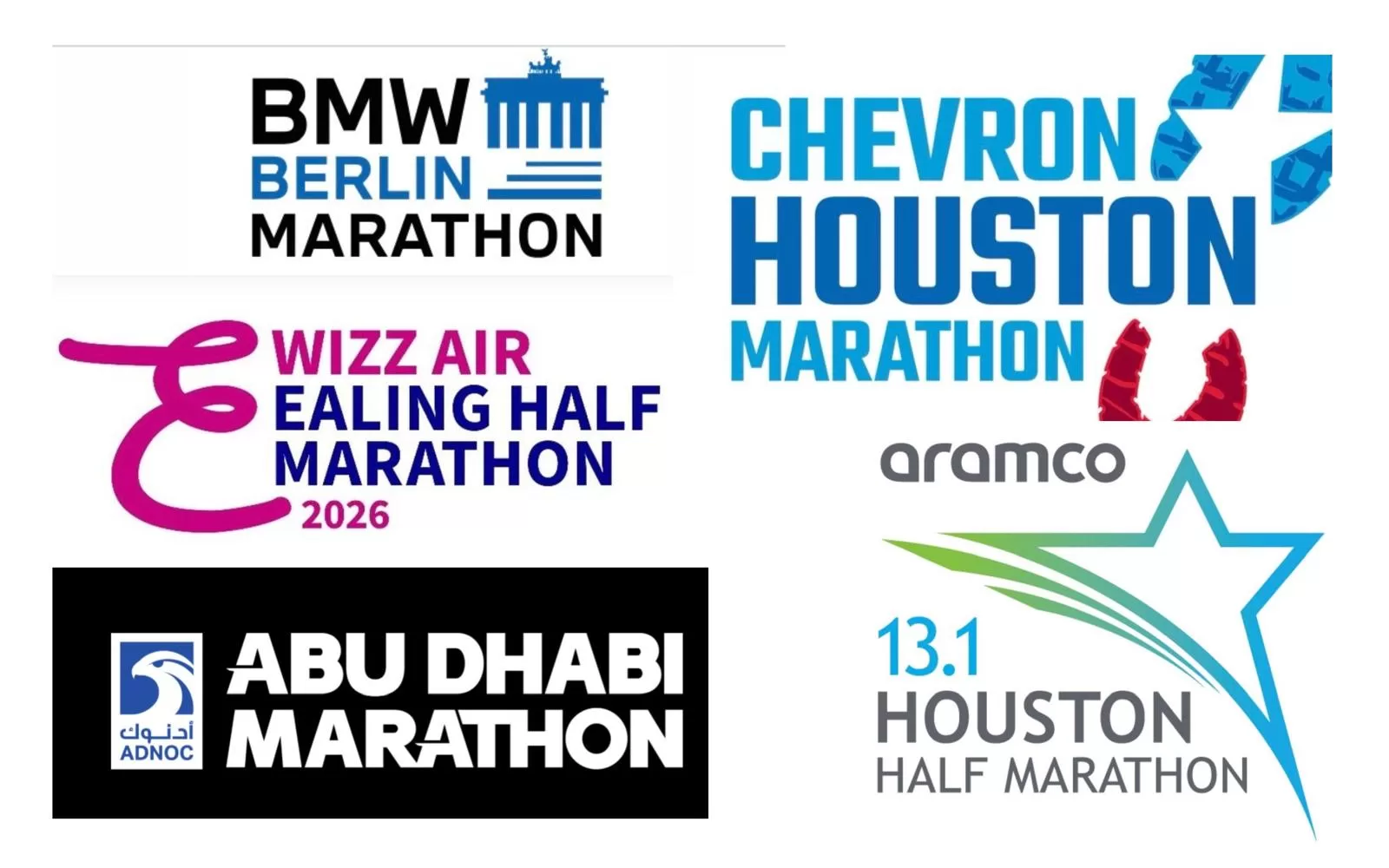

The Green Runners say that taking sponsorship money from high-carbon industries to support a running event or fund local charities isn’t ethical.
We’ve called out organisers of running events (UTMB, Wizz Air sponsored races, Boston Marathon, etc.) for participating in sportswashing, the practice of high-carbon companies using the positive image of sport to deflect from their problematic practices. We’ve been asked many times whether using a high-carbon sponsor’s money for good outweighs the significant issues of taking their money.
Our short answer is no.
And here’s our slightly longer answer…
Sportswashing defined
Sportswashing noun the practice of an organisation, a government, a country, etc. supporting sport or organising sports events as a way to improve its reputation (Cambridge Dictionary)
There’s been a long history of sportswashing. From the 1936 Berlin Olympics, tobacco’s association with motor racing and cricket to the 2026 FIFA men’s World Cup and the Tour de France.
Today, we witness high-carbon sportswashing from the likes of the gas and oil industry, car manufacturers and airlines. All trying to distance their industries from the impact of climate breakdown by associating themselves with popular sports.
While sportswashing is prevalent in major sports, it also finds its way into road and trail running events. While by no means comprehensive, we’ve identified 41 races with high-carbon sponsors. 24 gas & oil, 14 airline and three car manufacturers. 18 in North America, 6 South America, one Asia and 16 in Europe. No doubt we’ve missed many more.
“I urge every country to ban advertising from fossil-fuel companies”
António Guterres, Secretary General of the United Nations, 5 June 2024
Taking responsibility
When an organiser of a running event takes on a high-carbon sponsor, our running community is being appropriated in some way by that sponsor. So, when Wizz Air sponsor road races, it is a conscious attempt by Wizz Air to tap into runners’ desire to race in new places, while associating their brand with a healthy activity. So rather than supporting and celebrating the race for the sake of itself, the race is being commodified and the values that went into creating it undermined.
When event organisers weigh up the ethics of a sponsor, they assess the potential value or harm to their immediate circle of stakeholders. And some come to the conclusion that taking money from high-carbon brands is the right thing to do.
The question those organisers should be addressing is: at whose expense does that benefit arise from? And are the voices of those groups being given equal weight in the decision?
Are they, for example, really comfortable with the idea that an airline might help fund a race and the local community, while others suffer the consequences of climate breakdown through flood, fire, and heat related deaths and health issues. The sphere of accountability goes wider than many think.
Growth at what cost?
A point often raised in response is, “If we didn’t take the money, we couldn’t put on this event at scale.”
To which we respond “If your event can only be put on at scale using unethical money, then limit the size of your event. We assume you wouldn’t take tobacco money, so why take money from polluters?”
We don’t deny sponsors are essential in helping some events run, but this point is rooted in a quantitative approach to ethics where any issue or injustice could supposedly be addressed/bought-off if the sponsor simply offered the right amount of money. It suggests that, rather than having clarity about their values, an organisation’s ethics are up for negotiation if only enough money is offered.
Undoing great work
Many race organisers are taking proactive steps to reduce the impact of their events. Litter is picked, low-carbon travel to events encouraged, plastic waste reduced. But an event negates these actions by having a high-carbon sponsor, and risks the event’s sustainability activities being labelled as greenwashing. It just doesn’t add up.
Values-based sponsorship
Organisations should be working from a place of clear ethical values and ‘red lines’ consistent with the work they do and applying those values consistently. And this is the value of the Cool Down Network’s Fossil Free Declaration.
| The Fossil Free Declaration commits signatories to: 1. Reject new sponsorships with…Fossil fuel companies (oil, gas, coal, petrochemicals). Airlines and airports. Makers of new internal combustion engine (ICE) vehicles (e.g., SUVs). 2. Phase out existing deals by…not renewing contracts upon expiration. 3. Advocate for change by…Using platforms to call out polluting sponsorship deals.Supporting athletes who speak out against polluting sponsors. https://www.cooldownclimate.org/the-fossil-free-declaration |
It helps take the guesswork out of these ethical considerations and demonstrates that decisions regarding sponsorship truly take in the bigger picture.
As more people look to be considerate of their impact on our environment, events need to take action to reduce their negative impact on the planet. We believe committing to this declaration does that, and events should reference this in advertising and ethical policies.
So, no, we don’t believe that organisations should take high-carbon money and use it for the “greater” good. Our running community deserves better than that.
Our thanks to Culture Unstained for their significant contribution to a previous iteration of this article. Their website contains great resources on this topic https://cultureunstained.org/ethicalsponsorship/
Resources and references
Sportswashing
What is sportswashing and why is it such a big problem?
UN Secretary General António Guterres’ 2024 greenwashing speech
https://www.bbc.co.uk/news/articles/cv22vl99vwro
Cities ban fossil fuel advertising
https://www.bbc.co.uk/future/article/20260217-the-cities-banning-fossil-fuel-adverts
Cool Down Network’s Fossil Free Declaration