

Before that box-fresh running top landed in your shopping cart, it went through a whole host of processes.
Energy, water, hours of labour, time, and resources, were all poured into the item that took you a few seconds to purchase, based on its visual allure, and maybe more importantly, its price.
While marketers have unlocked the science behind what makes you scroll and add an item to your shopping cart, the processes leading up to that moment are rarely considered at the point of purchase.
Fashion is a fickle friend. It relies on you wanting to stand out, or to look the same as everyone else. It wants you to spend a lot, without breaking the bank, to buy more, knowing that you have plenty enough.
We wrote before about the tricks to make consumers buy more in our BLACK FRIDAY piece, and how we continue to fall for these tricks.
Ultimately fashion is costly. Not just for your pocket, but to our planet.
Before a garment comes into fruition it requires raw materials – and with sportswear you can expect a lot of polyester, nylon, spandex, polyurethane, polypropylene. Blends of materials, and non-recyclables, mixed with a dash of greenwashing, just to make us feel better about the purchase.
Running kit is highly specialised; which means the fibres are important. Typically, synthetics (man-made fibres made from petroleum) have advantageous properties such as fast-drying, moisture wicking or stretch for comfort. However, there are invisible threats in these synthetic threads.
Dr Elisabeth Allen, a Dame Kathleen Ollerenshaw Researcher in Fashion Business Technology, Department of Materials, at University of Manchester, explains: “Around 8,000 chemicals are commonly used to change raw materials into textiles – and whilst many of these chemicals are harmless, some have adverse effects on us and the environment. For instance, BPA, flame retardants, and formaldehyde are commonly used in the creation of activewear and these have been linked to endocrine disruptions including thyroid health.
“Every time we wear and wash our synthetic clothes, microplastic fibres are released. During the production process of clothes, loose threads are trapped within the fabric structure and therefore on the first wash, it has been shown that a considerable amount of microplastic fibres are released. “
While the big plus for synthetic fabrics is the longevity of the product – an overwhelming negative is that these fibres last a very long time in our environment.
Typically a piece of running clothing will rely on the extraction of raw materials – water, energy, and chemicals. If it’s a cotton item, then pesticides will have been used in the production of the crops.
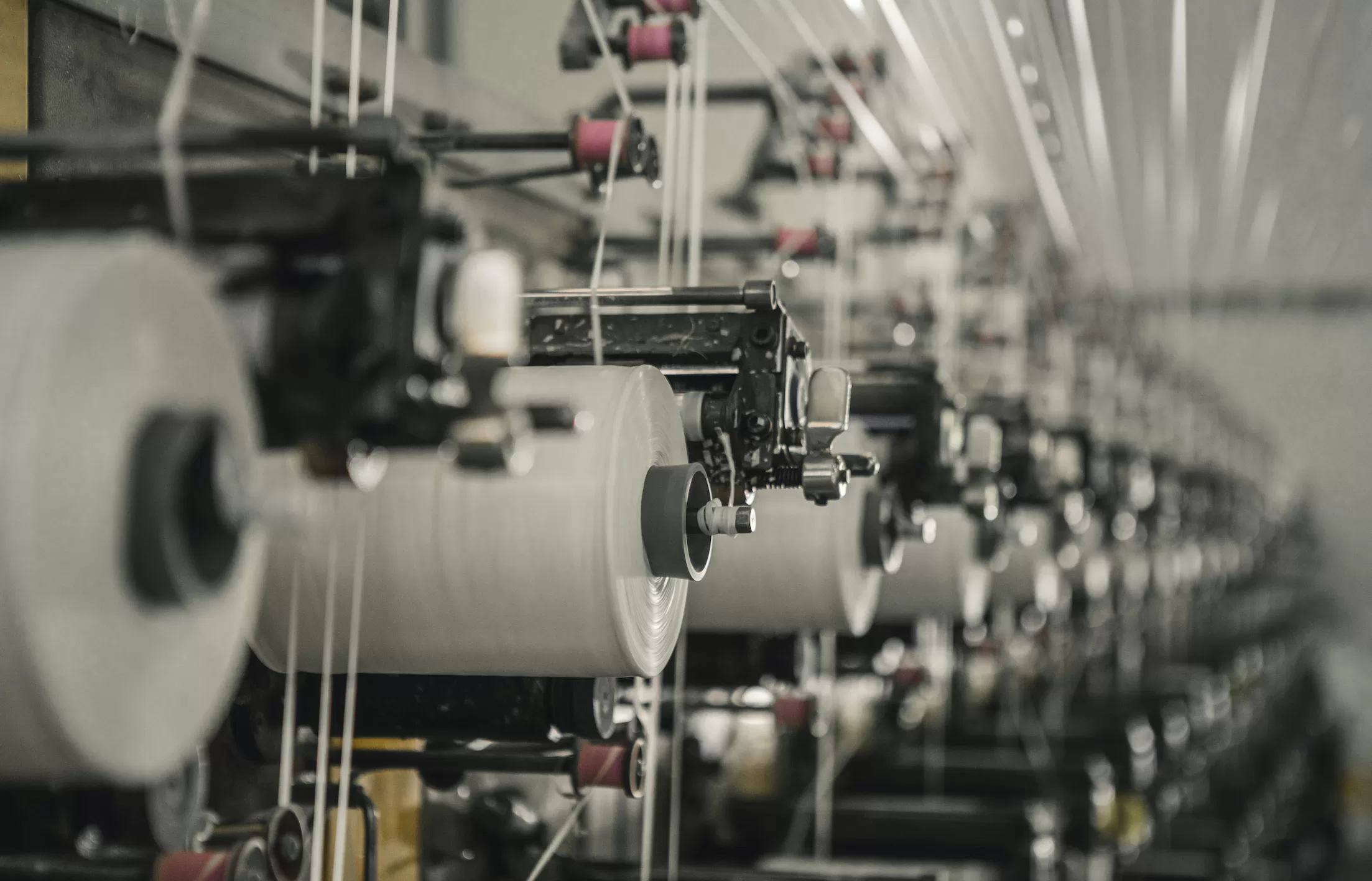
Raw fibres need to be spun into yarn, and then knitted or woven (using energy for machines as not everything is handmade),
Garments are dyed. The brighter and bolder, the more chemicals required.
Then they’re treated with heat processes, softeners, before being then cut, stitched and assembled.
Storage and transportation is also a consideration – moving it from warehouse to warehouse, which will mean it needs to be packaged (potentially in plastic), and that’s all before delivery to your door.
Top Tips for Garment Care from Dr Elisabeth Allen:
- By keeping and re-wearing as much of your wardrobe as possible, or swapping clothes if they are no longer of desire or fit, means the use of new chemicals to make new clothes is decreased.
- Buying second hand would allow less new products to be washed, less microplastics to be released. The amount of microfibres released during washing levels out around the 5th wash meaning that buying second hand clothes (assuming they’ve been washed a number of times), rather than buying new products, can have a significant reduction in microplastic fibres.
- Washing clothes less frequently and at lower temperatures a) ensure clothes last longer, and b) releases less microplastics during washing of clothes. Higher temperatures, longer cycles and washes with high RPM of spin cycles increases the chemical and physical forces put onto the fabrics.
Check out our article on how to make your gear last longer with some simple repairs and fixes.