

Typically, end of life for a piece of clothing refers to when we can or no longer wish to use it.
Maybe there’s a hole in your kit, or it’s lost its wicking abilities, it’s starting to smell too much, or, perhaps you just fell out of love with it.
While there has been an uptick on selling items via auction sites such as Vinted, Depop, and Ebay, charity shops are increasingly seeing poorer quality items being “dumped”, soiled and in disrepair, or just in too poor a condition to sell.
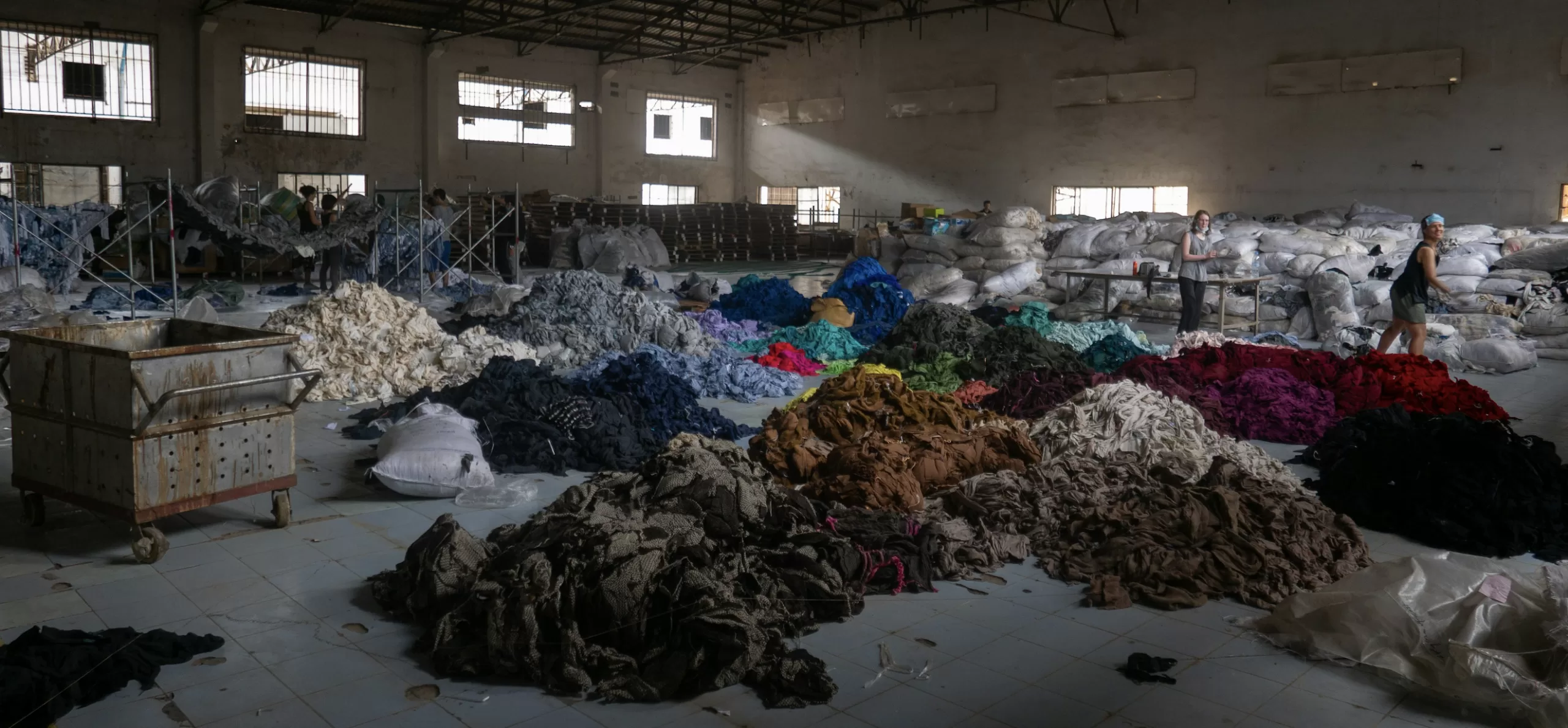
If not being reused or repurposed, discarded items will end up in landfill. As much as we might have rose-tinted views on where our kit ends up – it is very unlikely that it gets recycled if thrown away, and the plastics and chemicals within garments can pollute.
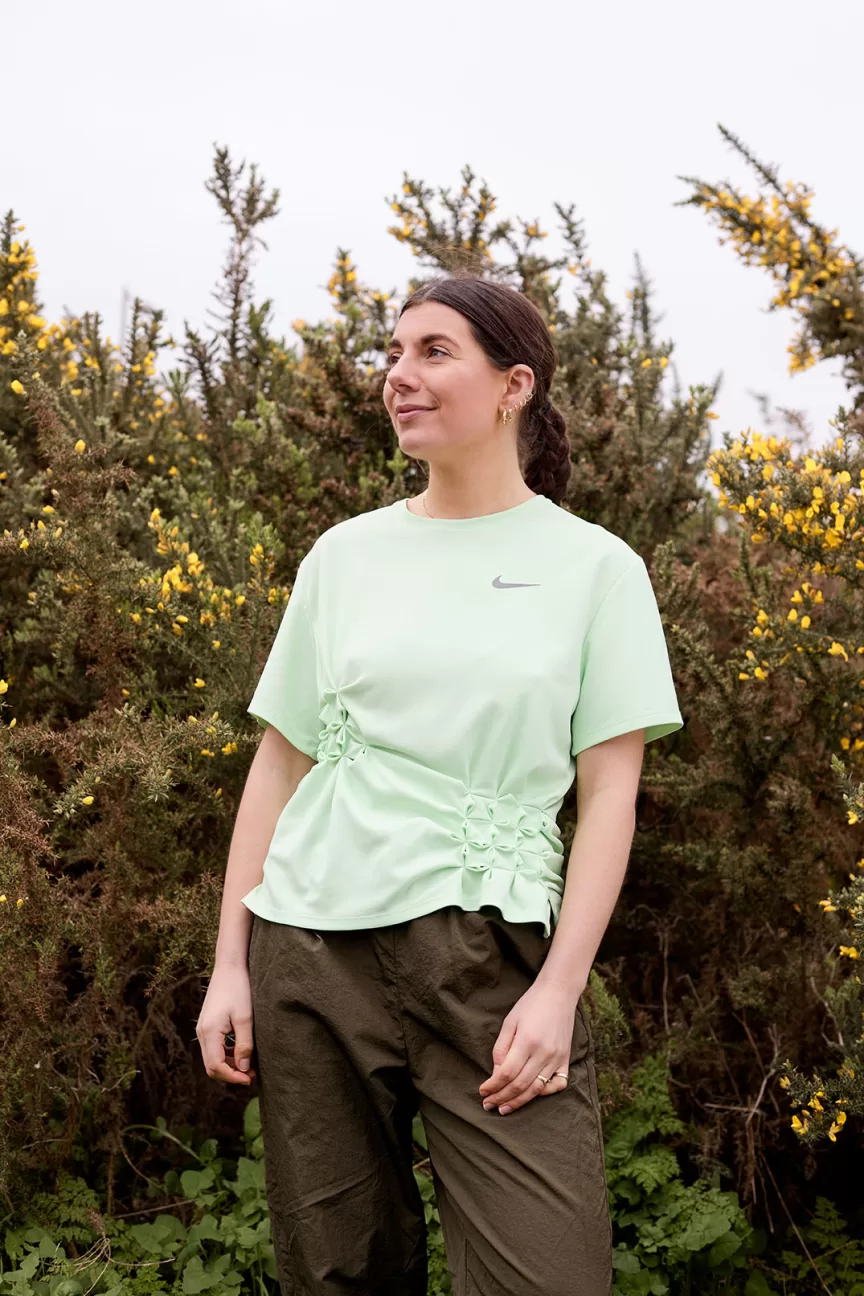
Jordan Bunker, at the University of Manchester, says: “Running as a culture and a trend is prevalent at the moment, which is great when it’s positive for encouraging exercise and framing it as a leisure activity. However this can be co-opted by the fashion industry into the overconsumption of activewear. Societal pressures through various channels such as influencers and online advertising can potentially cause runners of all abilities to think they need more and more activewear, which as we know isn’t necessary and inevitably leads to waste and landfill.”
When we ‘throw away’ a synthetic running top, it doesn’t disappear; it just moves. Because most activewear is a blend (e.g., 88% Polyester, 12% Elastane), it is nearly impossible to recycle mechanically.
Many clothes donated in the UK are bundled and sold to markets in the Global South (like Kantamanto in Ghana). If the quality is poor—which much modern activewear is—it goes straight from the shipping container to massive, burning landfills or the ocean in those countries.
Some new kits claim to be biodegradable. However, these often require industrial composting conditions (high heat/specific microbes) to break down. In a standard landfill, they stay intact for decades, just like standard plastic.
Better “Exit Strategies”
- Downcycling: When a shirt is too “stinky” (bacteria trapped in synthetic fibers) or ripped to wear, use it for bike maintenance or shoe cleaning. Synthetic fibers are excellent for trapping grease.
- Take-back Schemes: Use services like ReSkinned or brand-specific trade-ins. These organizations have better infrastructure to ensure fibers are actually shredded for insulation or stuffing, rather than ending up in a Kenyan landfill.