
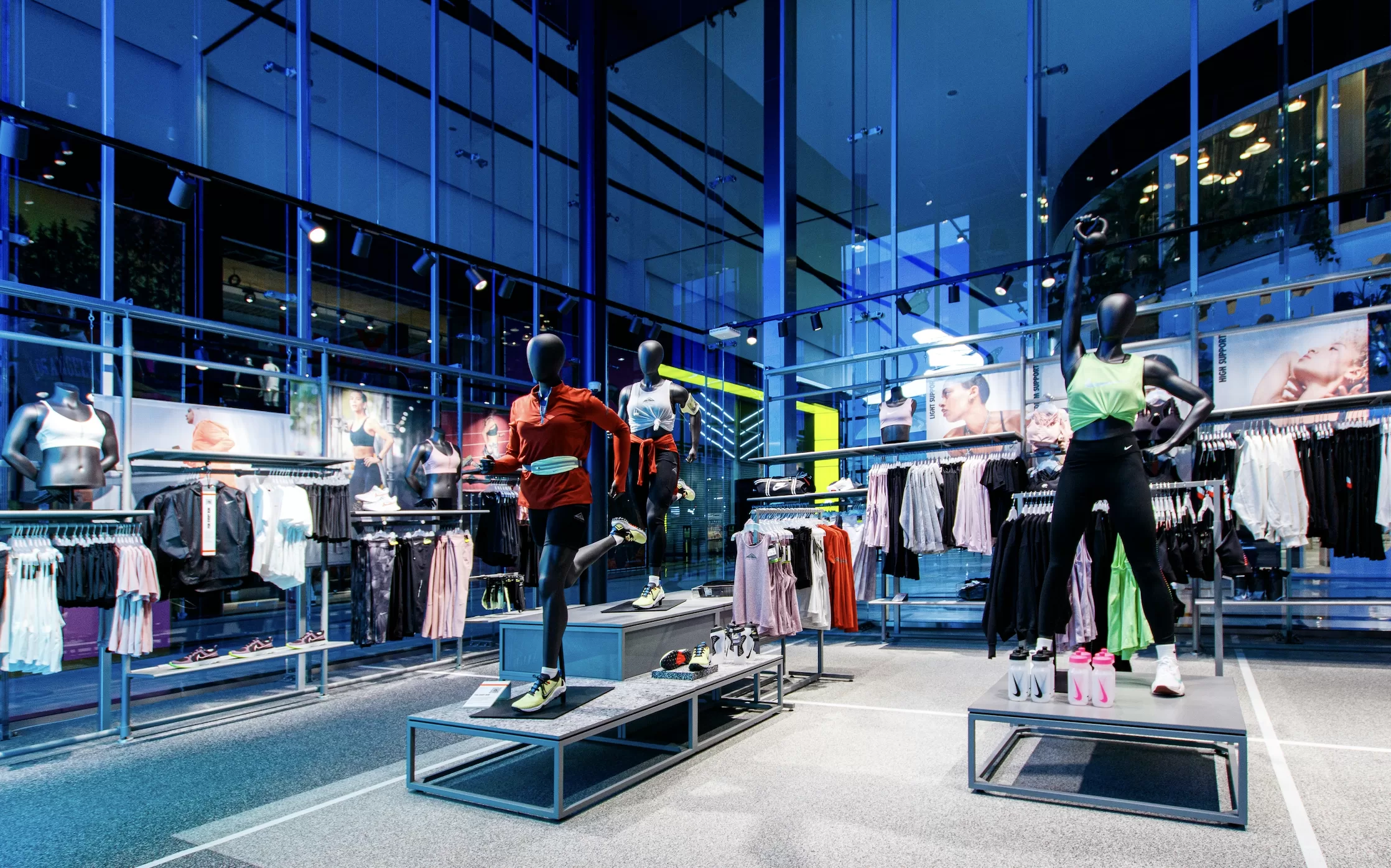

As conscientious consumers it can be tough trying to navigate a way through the irrepressible onslaught of marketing messages pushing us to buy more.
On average, 103 items of clothing lurk in any one wardrobe, and specialised items of sports kit for runners is yet another pull. But we don’t have to feel guilty about all our choices.
How garments are produced is out of our hands as individuals, and it’s more about common sense, rather than having to understand our carbon footprint, or how a garment has been produced.
Sites such as Preloved Sports and Vinted, are becoming more the norm, and repurposing kit is having a bit of a renaissance with influencers such as Lydia Bolton (see our how to video) showing us how to think outside the box when it comes to fashion.
Repair brands such as Snowdonia Gear Repair, Upcycle Kit, and ReSkinned, all offer options to buy preloved or to fix current kit.
Joanna Czutkowna at 5Thread, says we really don’t need to reinvent the wheel when it comes to making more sustainable kit choices. She makes these three suggestions:
- Buy the things you LOVE – this ensures you’ll wear them, which really is the most sustainable thing you can do.
- Care for the garment well. Wash at 30C and save energy and money by line-drying where you can.
- Be considerate as to how you pass it on. If clothes are still in good condition, pass it on, but if not, can you repurpose it, or recycle elements of it?
“It’s really worth considering how much you’ll wear an item. If you will wear it at least 30 times, then great, but if you don’t love it, or it’s an item just for race day, then it works out to be a high-impact/low-utility item.”

Why not consider calculating the cost of your garment through cost per mile, rather than the price tag. So a £50 high-quality top worn for 500 miles (£0.10/mile) is better for the planet and your wallet than a £10 “fast-fashion” top that chafes or falls apart after 20 miles (£0.50/mile).
As consumers and runners we are motivated by the psychology of the “need” and if we feel we’re missing out on some technical clothing that might help us perform better, then we can feel pressured into buying the latest item.
Known as Technical Obsolescence – the belief that you’ll perform sub-optimally if you don’t have the latest carbon-plate shoe or compression tee, it’s another one of those mindgames that can get you to buy the things you don’t really need.
As consumers, it’s good to stay sharp to greenwashing, buy things you love, and look after your kit – check out our post on the true cost of your running kit.