
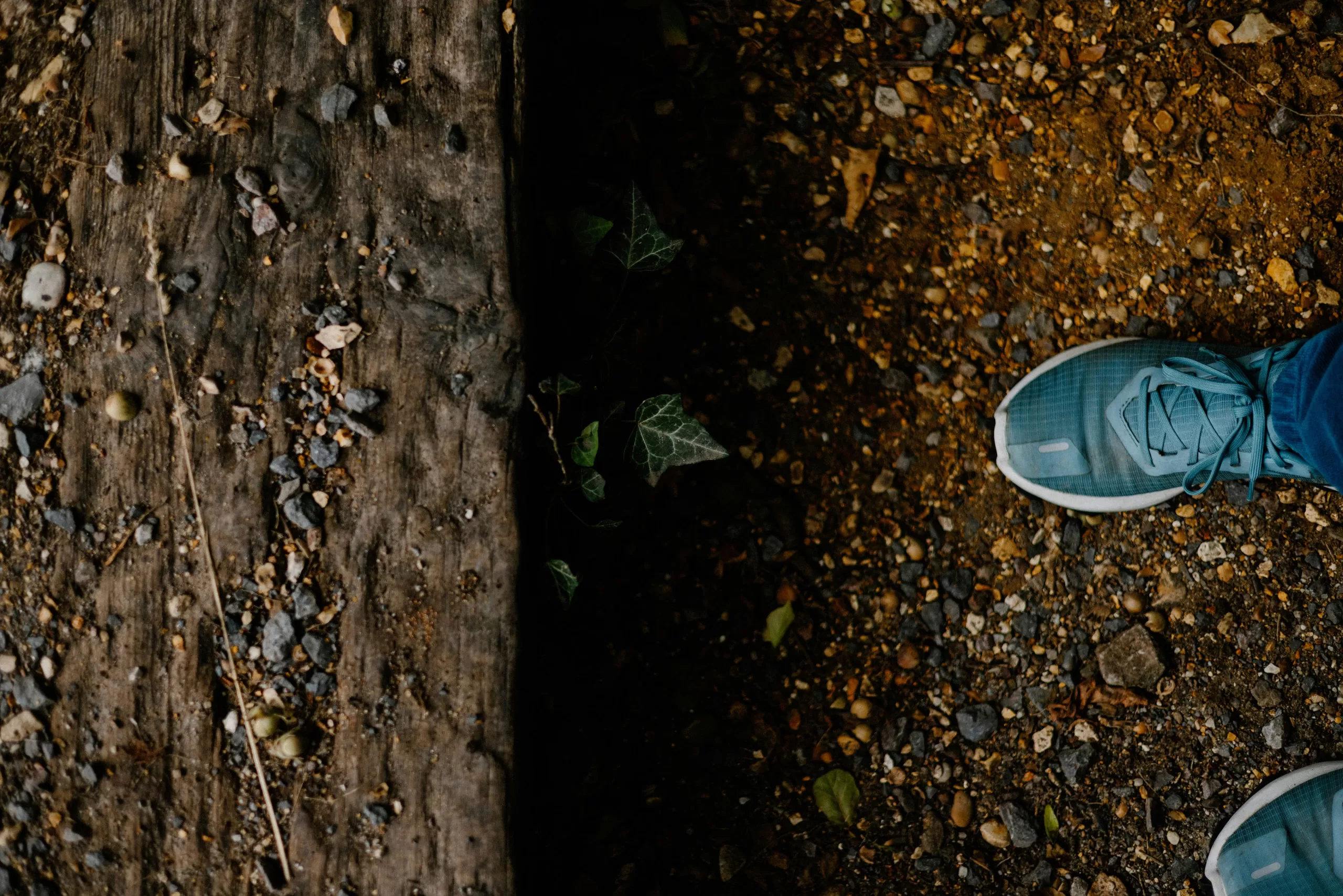

Remember the summer? Did you get the chance to look at the ground as you ran across your local trails? Cracked, dusty earth? Fields struggling to yield crops?
The soil beneath our feet is crucial for the food we eat, for our eco-systems, and it provides the basis for life. Despite this – it’s having a hard time.
December 5th marks World Soil Day, with the theme “Healthy Soils for Healthy Cities”, focusing on the challenges posed by soil sealing and urbanisation.
Urban soils support food production, filter water, store carbon, regulate temperatures, and sustain biodiversity.
This World Soil Day, the Food and Agriculture Organisation of the United Nations is inviting policymakers, scientists, city leaders, civil society, and citizens everywhere to reimagine urban spaces through their soils, ensuring that people and nature can thrive together in healthy green cities.
With climate change, high-intensity food production, and chemical fertilisers all leading to a soil crisis, we all need to be aware of how collectively we can bring our soil back to life. Food security is a massive issue, and globally it’s thought that 673 million people experienced hunger in 2024 (UN figures). As runners, while we may not all directly see the impact on our soils while pavement pounding around a city, soil is crucial for every one of us.
Here are some soil facts that you may not know:
- Less than one sixth of the land on Earth is suitable for growing crops.
- It can take a thousand years for just 1cm of topsoil to form.
- Once soil has degraded, it’s unlikely that it will ever return to its former health.
- Healthy soil is vital for holding down roots, and hanging on to the water needed by plants and other organisms.
- Nematodes (worm-like organisms) that decompose organic matter, are one of the most abundant creatures on earth.
- There are more living organisms in a tablespoon of soil than people on Earth.
- 2 billion people worldwide suffer from lack of micronutrients, known as hidden hunger.
- Up to 58% more food could be produced through sustainable soil management.
- Soil is home to nearly 59% of Earth’s species
On a large scale, reducing compaction and surface-water run-off with good farming practices can encourage a diverse range of grasses and soil organisms.
On a more local level, here are some things you can try:
- Engage with community allotments and grow vegetables on shared land
- Reduce or eliminate the use of chemical fertilisers
- No dig and no mow initiatives in your outdoor spaces.
- Leave dead foliage over winter to rejuvenate soil and encourage wildlife
- Add organic mulches and compost
- Cover soil with foliage, plants and grow your own vegetables to protect from run off.
- Encourage grassy areas and don’t pave over them.
The Soil Association has some great tips for saving our soil that you can try at home.
Join our growing community of runners for positive action and more opportunities for change.